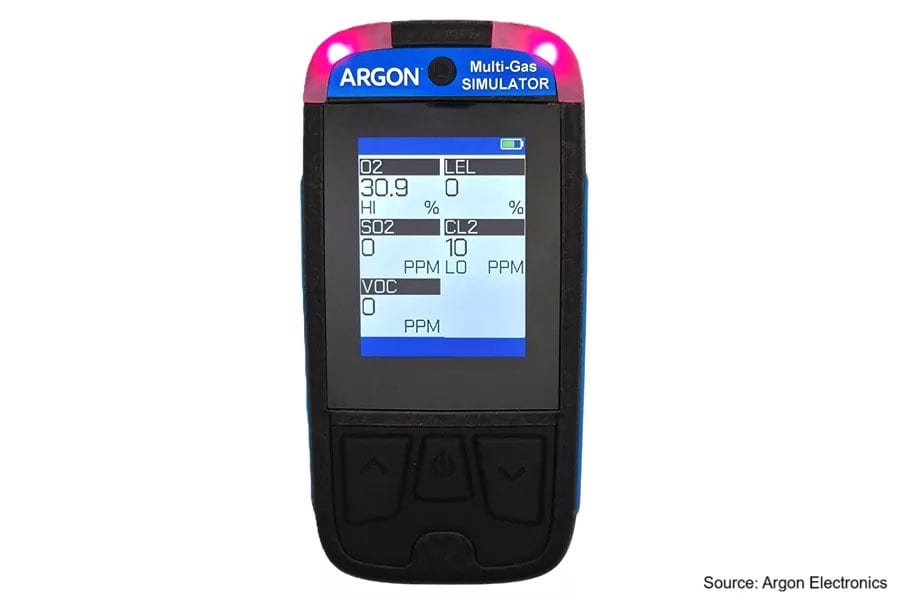
Argon’s Generic MultiGAS-SIM handheld simulator, introduced publicly in 2025, mirrors the look, feel and operation of a multi-gas detector, including button presses and screen layouts. It runs on standard AA batteries, requires no calibration gases and can pair with an instructor’s app via Bluetooth for real-time oversight. The aim is accurate, instrument-level simulation that reflects what frontline responders genuinely rely on. This design removes many of the logistical burdens associated with using real detectors in training, consumable gases, regular sensor replacements and the need for controlled environments. Because the system uses simulated signals rather than hazardous materials, training can be carried out almost anywhere.
Learn morePRODUCT UPDATE
gas detection
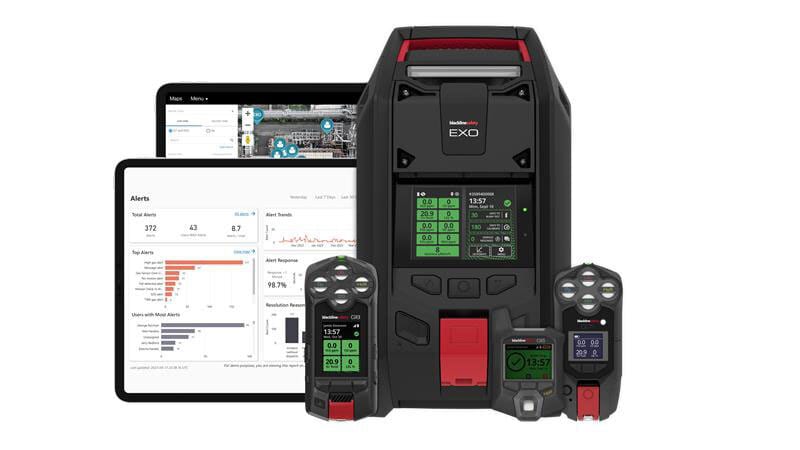
Blackline’s newest wearable gas detector, the G8, began shipping in March. This advanced technology combines gas detection and real-time communication in one device, while streaming live data directly to the cloud. For fire and hazmat organizations, these lightweight, intrinsically safe devices mean fewer tools needed to get the job done with enhanced human-to-human communication capabilities at their fingertips. Together, G8 and EXO 8 Gamma provide fire and hazmat teams with the whole picture — connected operations from responder all the way to command.
Learn more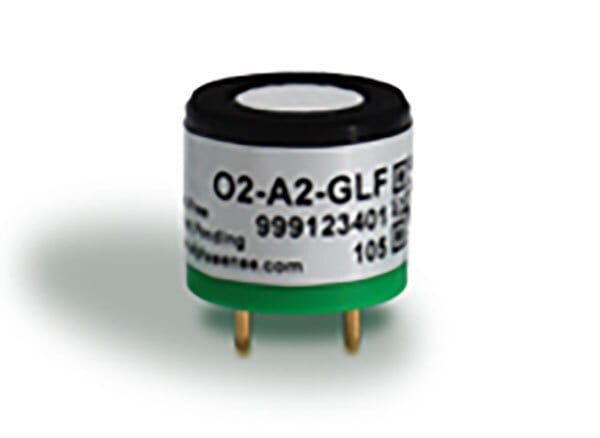
Alphasense introduces the world’s first galvanic lead-free oxygen sensor (O2-A2-GLF) for industrial safety applications. The O2-A2-GLF sensor is engineered as a direct replacement for existing two-pin oxygen sensors used in portable and fixed gas instruments. It is designed to deliver reliable performance in demanding industrial environments, maintaining accuracy during variations in pressure and temperature. This makes it ideal for critical safety applications where durability and robustness are vital.
Learn more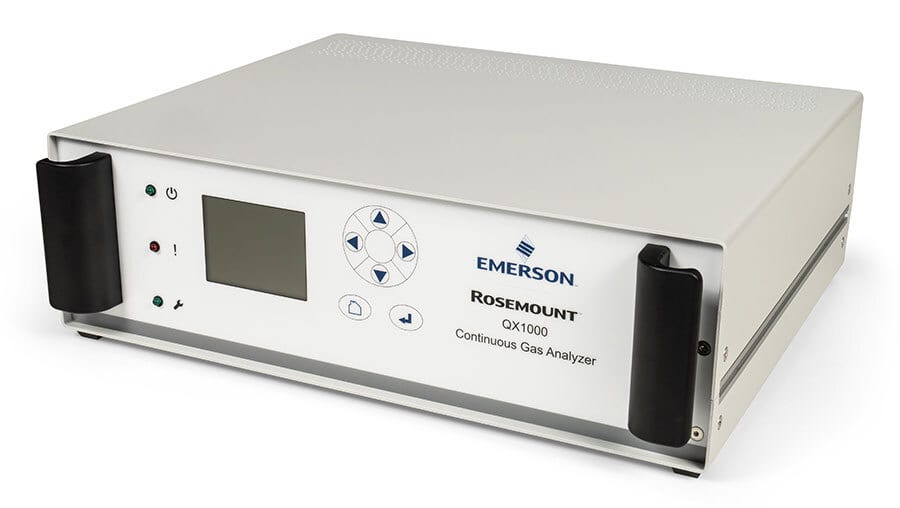
Emerson announced the release of its Rosemount™ QX1000 Continuous Gas Analyzer, ideally suited for use in continuous emissions monitoring systems (CEMS), but also a good fit in many other types of applications. The QX1000 uses paramagnetic detection for O₂ and quantum cascade laser direct absorption spectroscopy for all other gases to meet stringent performance requirements. This integration of different technologies and a modular approach provide a flexible, single-system solution tailored to diverse application needs. The QX1000’s robust design with low maintenance requirements also reduces lifecycle cost and downtime. The QX1000 uses cold/dry technology, with a sample conditioning system transporting gas extracted from the process to the analyzer through a thermoelectric chiller to reduce the temperature to about 4 degrees Celsius (39 Fahrenheit), so most moisture condenses and drops out.
Learn moreMay 2026

VOL. 60 NO. 4