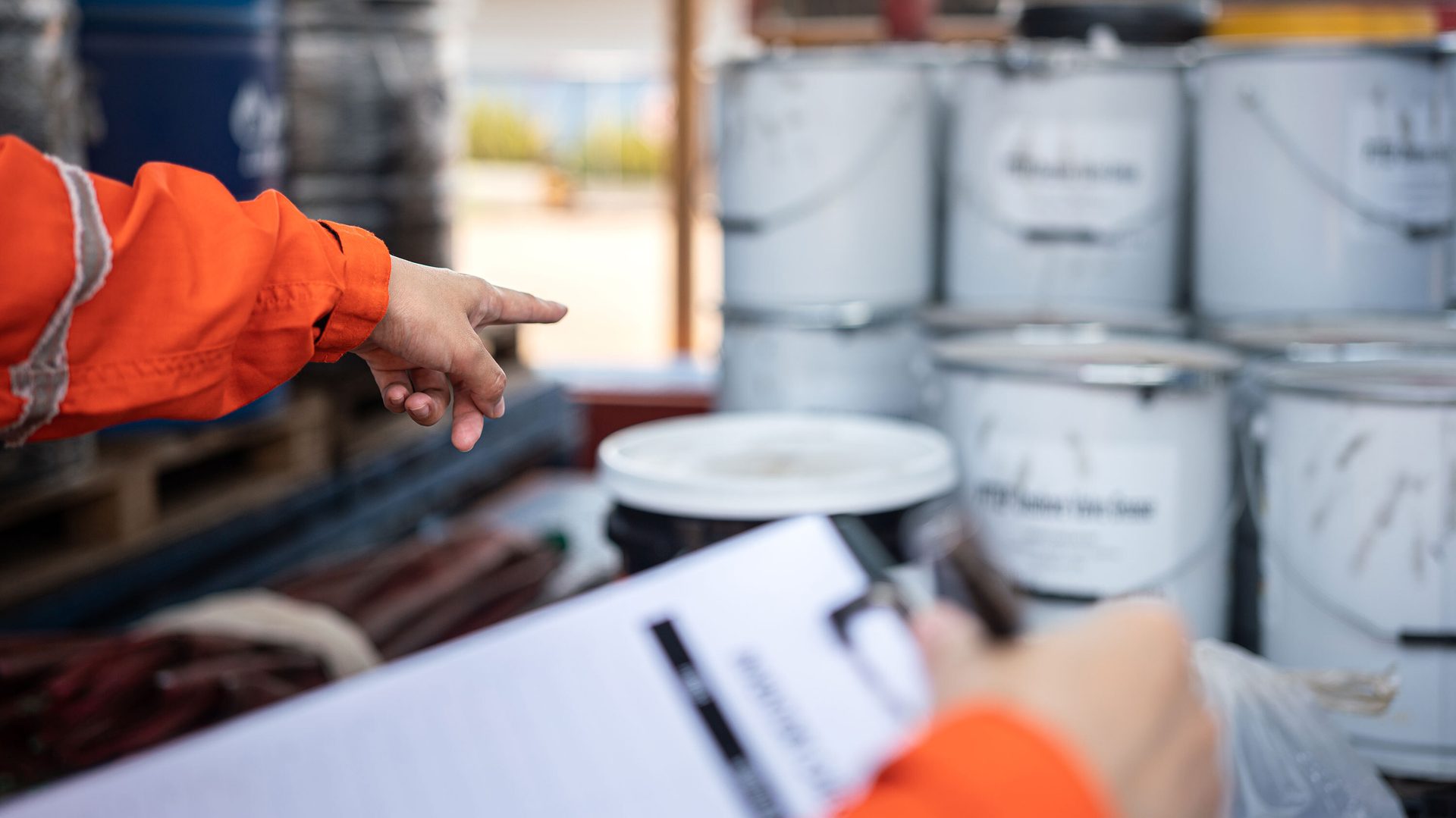
Photo: sestovic / iStock / Getty Images Plus
Technology

Managing Mobile Workforces
in the Heat
How Technology Enhances Safety and Compliance at Remote Sites
By Gen Handley
M
anaging a mobile workforce is like working as an air traffic controller. Both jobs require coordinating a fleet of workers you can’t see, who are located across a wide geographical space with changing work environments including extreme weather and heat.
Mobile workforces and crews exist in a wide number of essential industries which require their workers to frequently travel to different worksites. Some examples include construction and infrastructure field crews, site inspectors and equipment operators, security guards and public safety workers; utilities and rural water workers; as well as healthcare and homecare workers.
The dual risk: heat and working alone
The risks of working alone in combination with the heat can be very dangerous due to the potential communication challenges in rural areas but also because of inaccessibility to emergency help in an accident. Lone, mobile workforce face amplified risks due to lack of immediate assistance, potential delays in emergency response in rural areas, as well as limited access to cooling, hydration, or medical support and services.
Heat is becoming a growing hazard and issue and it is causes roughly 23 million workplace injuries worldwide; it is also the leading cause of death among hazardous weather conditions in the United States, according to the OSHA. Examples of heat-related illness (HRIs) – such as heat stroke, heat cramps, heat exhaustion, and heat rash – can negatively and significantly impact a mobile workforce when not addressed immediately. The Workers Compensation Research Institute (WCRI) found that HRIs increase by at least seven times when temperatures exceed 90°F, resulting in a significant risk for the mobile employee.
Challenges faced by safety managers
Unlike a traditional office structure and setup, a mobile workforce presents its own unique challenges for safety managers, organizations, and the employees. Particularly when it begins to start heating up in the summer months, these challenges are more important to address for not only worker safety, but regulatory compliance as well.
Scheduling and time management
Coordinating the many job routes, task priorities, and hydration/shade breaks can become difficult to manage and plan, requiring significant time and resources.
Limited visibility
Because employees are located across different locations, work sites, and in different buildings and homes, it can be difficult to ensure the employees are completely safe as well as determine what their job statuses are.
Communication challenges
Cell connection or Wi-Fi can be unreliable in remote areas if available at all. Dependable, constant communication with a mobile workforce in a rural area can be difficult to maintain.
Lack of supervision or oversight
With travelling employees, safety managers are unable to monitor work performance, OSHA safety compliance, or worker wellbeing, resulting in an overall lack of supervision and potential work quality and job satisfaction.
Mobile worker hazards
This lack of visibility results in mobile workers being exposed to occupational hazards like extreme heat and heat illnesses, dangerous wildlife as well as lone worker safety risks because they are often working in isolation.
Employers should enforce hazard assessments before entry, ensuring that PPE choices align with the specific risks of the worksite.
Tech as a coordinator and lifeline
To manage the safety and schedules of multiple, mobile workers in hot temperatures, safety managers need to proactively implement lone worker monitoring technologies which the National Safety Council says, “help monitor, protect, and manage workers who perform activities in isolation or without close supervision.” These technologies help protect lone, mobile workers through highly efficient automation, essentially empowering safety managers to effectively monitor the wellbeing of many workers, in many locations, at the same time.
Non-intrusive monitoring
Every year, wearable technologies are being developed that are smaller and more inconspicuous like lightweight, thermoelectric cooling garments and sensors that monitor the worker’s health vitals such as body temperature and blood pressure. Additionally, non-intrusive monitoring can also effectively be performed through a passive safety check-in system which will alert the safety manager if a check-in is missed.
Connectivity and location awareness
Maintaining communication outside of cellular networks, with their safety manager or monitor can be difficult for mobile employees. Therefore, they can benefit from real-time GPS and satellite tracking devices and satellite messengers that allow workers to transmit messages as well as GPS data of their locations.
Smart safety apps
More than nine out of 10 of all cellphone owners own a smartphone. Mobile lone worker safety apps can provide immediate emergency alerts and actions if a worker needs help, they allow remote check-ins to be performed easily and perform automated wellness tracking and monitoring for these people in the hazardous environments and heat.
Compliance through smart monitoring
When coordinating and monitoring mobile employees in hot conditions by implementing safety technologies and devices, it can improve regulatory compliance for the organization. Specifically, through real-time data logging, report generation features for future audits, safety training sessions and meetings, as well as any jurisdictional OSHA heat illness prevention regulations and standards. For example, the Cal-OSHA Heat Illness Prevention Standard (CCR 8-3395) requires employers in California to implement and maintain a heat illness prevention plan for all outdoor places of work.
Stay connected, cool and cognizant
Managing mobile workforce safety is not just about hazards like hot temperatures – it is also about providing support systems for these people. It is about providing a work environment that allows them to remain connected through smart tech, remain cool and hydrated through alerts and smart apparel, remain aware of their hazards and circumstances through clear protocols and automated check-ins.
The most powerful tool when managing a mobile team of employees is preparation. For heat safety, organizations can begin looking at the most suitable technologies for their travelling employees before the next heat wave hits; 2025 is expected to be one of the three warmest years on record. The more safety planning that can be performed now, the more prepared your mobile workforce will be for the high temperature later
Gen Handley is a Marketing and Growth Coordinator for https://safetylineloneworker.com, an automated, cloud-based lone worker monitoring service that helps companies protect remote or isolated workers. Gen has more than 10 years of freelance writing and marketing experience.
May 2025

VOL. 59 NO. 4